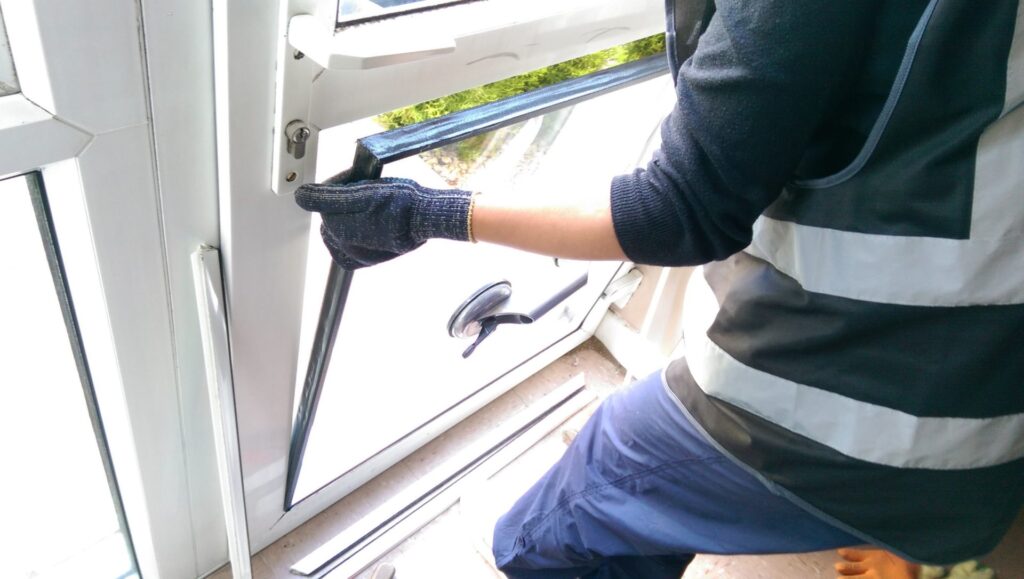
10 Inspiring Images About Broken Glass Repair
Broken Glass Repair: A Comprehensive Guide
Broken glass can be an aggravating and dangerous problem, whether it occurs in windows, doors, photo frames, or other home items. Fortunately, lots of instances of broken glass can be fixed with the right tools, strategies, and preventative measures. This post offers an extensive appearance at the numerous methods available for broken glass repair, when to DIY, and when to hire the professionals.
Understanding the Severity of the Damage
Before starting the repair process, it's necessary to assess the level of the damage. Not all broken glass can be repaired, particularly when it positions security dangers. Below are some indications of repairable versus permanent glass:
Severity of Damage
Description
Minor Cracks
Small, hairline fractures that do not impede performance.
Chips
Little pieces missing from the glass, frequently cosmetic.
Big Cracks
Extensive cracks that compromise the stability of the glass.
Shattered Glass
Glass is burglarized multiple pieces; typically requires complete replacement.
Common Types of Broken Glass
- Window Glass: Frequently damaged by climate condition or accidents.
- Glass Doors: High traffic locations can result in wear and tear.
- Picture Frames: Often broken during managing or transport.
- Glass Tables: Vulnerable to weight and effect.
Tools and Materials Needed for Repair
Before beginning the repair, gather the needed tools and products. Below is a basic list:
- Glass repair package
- Safety gloves
- Security goggles
- Wipes or cloths
- Craft knife
- Epoxy or adhesive
- Sandpaper
- Clear tape (optional, for temporary fixes)
Steps for Repairing Broken Glass
1. Safety First
Safety is vital when dealing with broken glass. Use security gloves and goggles to protect against sharp fragments and debris. If www.repairmywindowsanddoors.co.uk is significantly shattered, it may be best to sweep up the pieces carefully and dispose of them appropriately.
2. Tidy and Prepare the Area
- Get Rid Of Loose Pieces: Carefully select up any shards or loose pieces of glass.
- Tidy the Edges: Wipe the edges of the broken glass with a cloth to remove any dust, dirt, or old adhesive.
3. Assess the Repair Method
Minor Cracks
For small fractures, utilize a specialized glass repair resin:
- Apply the Resin: Follow the instructions on the glass repair set and apply the resin to the crack.
- Treat the Resin: Allow the resin to treat according to the item's guidelines, generally under UV light.
- Sanding: Once treated, sand down any excess resin for a smooth surface.
Chips
- Usage Epoxy: Apply a clear epoxy adhesive to the chip.
- Smooth the Surface: Use a craft knife or sandpaper to smooth the surface area once it sets.
Big Cracks or Shattered Glass
- Replacement: For significant damage, it is frequently most safe and most efficient to change the whole piece of glass. Procedure the dimensions before purchasing a replacement.
- Show or Other Uses: For picture frames, consider utilizing a transparent acrylic sheet as a replacement.
4. Final Check
After the repair, examine the glass for any remaining problems. Guarantee that the surface is smooth and that the repair blend perfectly into the surrounding location.
When to Call the Professionals
While numerous kinds of broken glass can be fixed at home, particular circumstances require professional intervention:
- Safety Concerns: If the broken glass presents a threat of injury.
- Large Areas: Large windows or doors may require specific tools for total replacement.
- Custom Shapes: Unusual glass shapes, such as stained glass, may require a competent craftsman.
Frequently Asked Questions on Broken Glass Repair
Q1: Is it worth trying to repair broken glass myself?
Yes, minor repairs can save cash and be finished safely in your home, however larger or more unsafe damages are best dealt with by specialists.
Q2: How long does it take to repair broken glass?
Repairs can usually be finished within a couple of hours; nevertheless, treating times for adhesives differ, so follow the maker's standards.
Q3: Can I repair double-glazed windows?
Double-glazed windows are intricate and normally require professional repair due to the airtight seal that keeps the two layers of glass together.
Q4: What can I do to avoid glass damage in the future?
- Usage protective films or coverings for windows.
- Make sure correct handling of glass items.
- Frequently examine glass components for wear and tear.
Repairing broken glass can be an approachable task for DIY enthusiasts, specifically when handling small damages. With the right tools and methods, homeowners can restore functionality and looks to glass items in their living areas. However, constantly focus on security and understand when it's best to seek professional assistance. By understanding the kinds of repairs, the required tools, and safety precautions, individuals can tackle this typical issue with confidence.